10 Must-See U.S. National Parks: Fast Facts & Planning
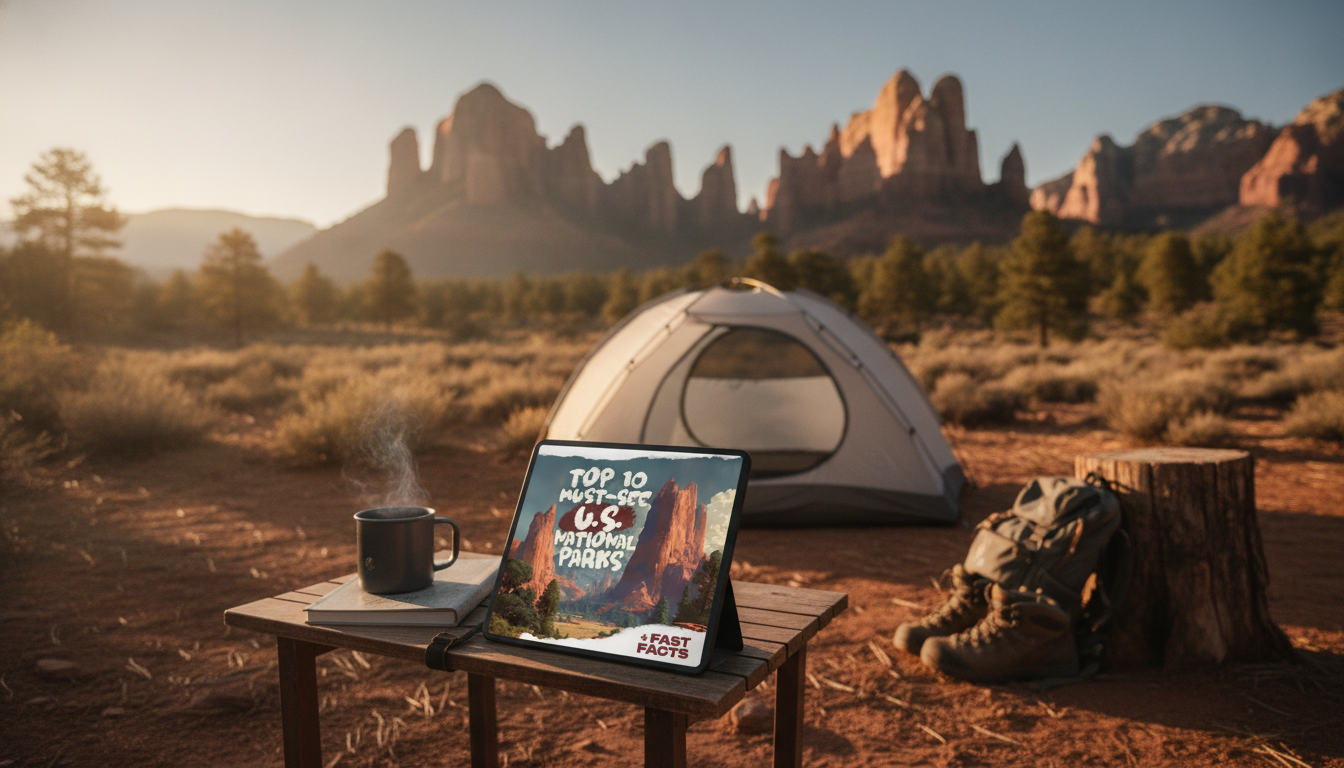
Top 10 Must-See U.S. National Parks + Fast Facts: A Digital Travel Guide for Nature Lovers, Hikers & Adventure Planners
A well-planned national park trip feels effortless: the right season, the right hikes, realistic drive times, and a few “don’t miss” viewpoints that make the whole route worth it. This digital guide focuses on 10 iconic U.S. national parks and pairs inspiration with fast facts so travel planning stays simple—especially when juggling permits, weather windows, and trail priorities.
What makes a park “must-see” for first-time and repeat visitors
- Signature landscapes that are difficult to replicate elsewhere—towering granite walls, geothermal basins, desert canyons, or alpine lakes that feel unreal in person.
- A mix of experiences so every traveler can build a good day: scenic drives, short viewpoints, and longer hikes for different energy levels.
- Seasonal flexibility—some parks are best in shoulder seasons, while others reward careful timing to avoid closures, snow, or extreme heat.
- Access realities that shape real itineraries: shuttle systems, reservations, elevation effects, and road opening dates.
Fast facts that help plan smarter (before choosing dates and flights)
- Best trip length: many parks shine with 2–4 days; nearby pairings can create a longer loop without feeling frantic.
- Weather reality: elevation changes can mean winter conditions on a high pass and warm sun in the valley—pack layers and traction when appropriate.
- Crowds and entry: timed-entry systems, shuttles, and limited parking often matter more than the entrance fee.
- Leave No Trace basics: stay on durable surfaces, pack out trash, and respect wildlife distance rules.
Quick trip-planning checklist for national parks
| Planning item | Why it matters | What to decide early |
|---|---|---|
| Season window | Roads, trails, and viewpoints can close or become unsafe | Primary month(s) + a backup week |
| Reservations/permits | Some parks require timed entry, shuttle tickets, or hike permits | Which days need reservations and what time slots |
| Lodging base | Drive time can dominate the day if staying too far away | Inside the park vs. gateway town |
| Daily hike plan | Elevation, heat, and daylight hours affect feasibility | One “big” hike + one “easy” option per day |
| Safety essentials | Weather shifts, wildlife, and terrain are real risks | Water capacity, layers, navigation, headlamp |
For official alerts, closures, and maps, start with the National Park Service (NPS). For permits and timed-entry reservations used by many sites, check Recreation.gov. For low-impact travel basics, review the Leave No Trace Seven Principles.
The 10 parks to prioritize (a balanced mix of classic icons)
- Yosemite: granite cliffs, waterfalls, and high-country viewpoints; plan around shuttle zones and trailhead access.
- Grand Canyon: sunrise and sunset viewpoints plus rim walks; choose South Rim vs. North Rim based on season and drive time.
- Yellowstone: geothermal features and wildlife viewing; build buffer time for bison jams and long internal distances.
- Zion: canyon hikes and narrows-style adventures; shuttles and heat planning are key in peak months.
- Bryce Canyon: hoodoo amphitheaters with big views on shorter trails; sunrise is a standout moment.
- Arches: iconic stone arches and short hikes with high payoff; early starts help with parking and heat.
- Rocky Mountain: alpine lakes and high passes; afternoon thunderstorms and altitude deserve respect.
- Glacier: dramatic peaks and classic scenic roads; monitor seasonal road openings and parking constraints.
- Acadia: coastal trails and granite summits; great for shorter drives and sunrise planning.
- Great Smoky Mountains: accessible waterfalls and ridgelines; misty weather and busy weekends influence timing.
How to build a route without overpacking the schedule
- Use a “home base” approach: pick one zone per day (a valley, rim area, or scenic road corridor) and stack stops close together.
- Alternate intensity: combine one longer hike with one short viewpoint loop so the day still feels complete if plans shift.
- Plan for slowdowns: wildlife traffic, shuttle lines, trail congestion, and sudden storms can quietly consume hours.
- Keep a flexible list: a must-do set for perfect conditions and a nice-to-do set for weather windows and open parking.
Day-by-day planning tips for hikers, photographers, and families
Hikers
Start earlier than you think you need to, carry more water than expected, and confirm trail conditions with official alerts before committing—especially if a route relies on river crossings, snowfields, or exposed ledges.
Photographers
Anchor the day around sunrise/sunset, then plan mid-day in shaded canyons, forest trails, or higher elevations with softer light. A short list of “sure thing” viewpoints reduces guesswork when clouds roll in.
Families
Build momentum with frequent scenic pullouts, junior ranger activities, and shorter loops that end before hunger and fatigue peak. A predictable “snack + viewpoint” rhythm can keep everyone happier than one long push.
Accessibility
Many parks deliver huge landscapes from scenic drives, paved overlooks, and short paths. When mobility or time is limited, prioritize iconic viewpoints first, then add optional nature walks if energy is still high.
Digital travel guide format: why it works for trip planning
Recommended digital guide: Top 10 Must-See U.S. National Parks + Fast Facts
For a curated starting point that stays practical, explore the Top 10 Must-See U.S. National Parks + Fast Facts | Digital Travel Guide eBook for Nature Lovers, Hikers & Adventure Planners. It’s designed to pair inspiration with structured planning details—helpful when choosing a season window, mapping a multi-park loop, and keeping daily priorities realistic.
To capture trail notes, standout overlooks, and end-of-day reflections, add Mindful Clarity: Journal & Prompts (printable) for trip reflections and daily notes to your planning toolkit.
FAQ
What’s the best way to see the national parks?
Start early, choose a base area to limit driving, and plan one key hike (or signature viewpoint) plus a scenic drive or short loop each day. Build your schedule around reservations and shuttle systems, and leave buffer time for weather, wildlife traffic, and parking delays.











Leave a comment